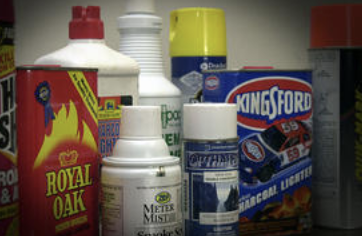
Inhalants (Volatile Solvents)
These suck.
Step 1: What the Drug Does
Volatile solvents are highly fat-soluble small molecules. They cross the blood-brain barrier in seconds.
The action is unusually broad, hitting two major receptor systems at once:
- Positive modulation of GABA-A - like depressants, increases Cl⁻ influx → more inhibition.
- Non-competitive antagonism of NMDA receptors - blocks excitatory glutamate signaling.
Combined effect: profound, near-total CNS depression with rapid onset and offset (Cruz et al., 1998).
Solvents = "amplify inhibition AND block excitation simultaneously."
Step 2: What GABA-A and NMDA Normally Do
Already covered in Module 6. GABA-A = the brain's main brake. NMDA = the brain's main accelerator (memory, learning). Solvents hit both at once.
Step 3: Where Solvents Accumulate



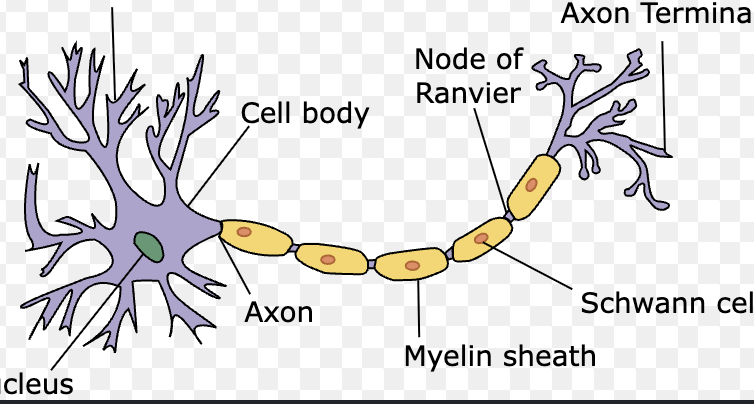
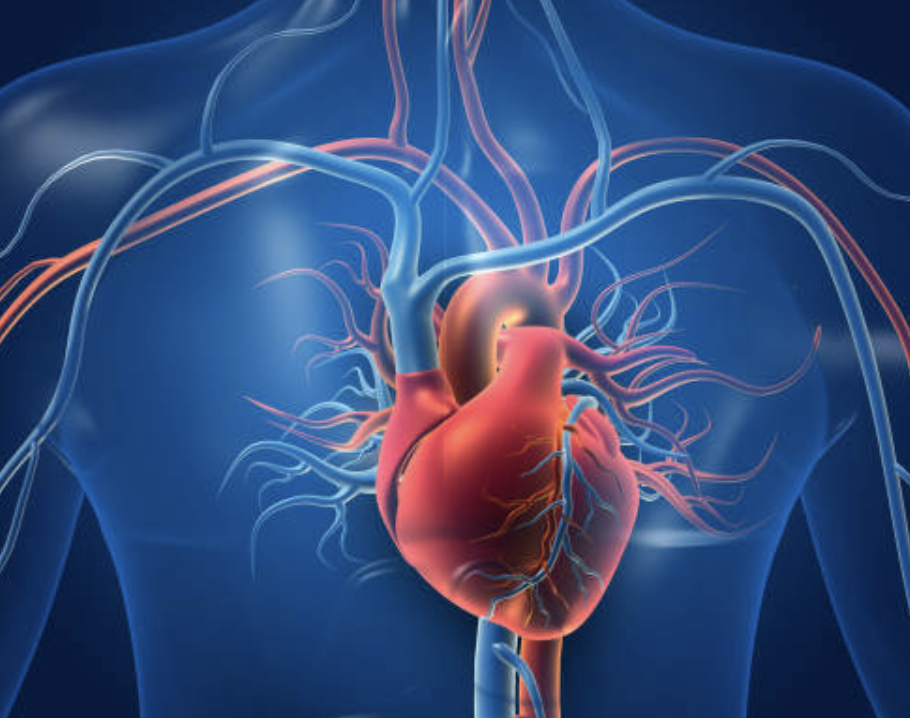
Solvents are unique in this curriculum because their effects extend to non-neuronal tissue: myelin and heart muscle. They're so fat-soluble that they accumulate in any lipid-rich tissue.
Step 4: How Side Effects Fall Out of Steps 1–3
Intoxication
Cortical GABA ↑ + NMDA ↓ → rapid alcohol-like impairment. Brief because the drug clears fast.
↓
Motor Impairment
Cerebellar neurons silenced by GABA potentiation and NMDA blockade → ataxia, slurred speech, stumbling. Onset within seconds; clears within minutes.
↓
Brief Euphoria / Reward
VTA GABAergic interneurons suppressed → dopamine disinhibited → brief reward signal. The same disinhibition mechanism as alcohol, but faster and shorter.
↑
Sudden Sniffing Death Syndrome - the unique killer
Solvents alter cardiac ion channel kinetics → heart sensitized to circulating epinephrine. A sudden sympathetic surge (sound, exertion, getting caught) → ventricular fibrillation → arrest within seconds. Healthy young first-time users die this way (Steffee et al., 1996). This is the clearest case in this curriculum where a startle response can kill.
↓
Solvent leukoencephalopathy
Chronic exposure dissolves myelin. Without myelin, nerve signals slow and scatter. MRI shows white matter changes; clinically: cognitive impairment, ataxia, tremor that often does not fully reverse with abstinence (Filley et al., 2004). The damage is structural, not chemical.
↓
The Balancing Loop
Standard tolerance (NMDA upregulation, GABA-A downregulation) develops, but it's overshadowed by the non-recoverable structural damage to white matter.
Unlike most drugs in this curriculum, the dependency story isn't primarily about receptors. It's about anatomy that has been chemically degraded.
User Manual
- Sudden cardiac death can happen on the first use.
- Damage from chronic use is often permanent.
Risk is not linear with frequency. With nitrous, use seated. Never use a face-mask or bag that prevents breathing oxygen. Avoid startling stimuli during or just after.
Sources
- Cruz, S. L., et al. (1998). Effects of the abused solvent toluene on recombinant NMDA and non-NMDA receptors. Journal of Pharmacology and Experimental Therapeutics, 286(2), 334–340. https://doi.org/10.1016/S0022-3565(24)37592-5
- Filley, C. M., et al. (2004). The effects of toluene on the central nervous system. Journal of Neuropathology & Experimental Neurology, 63(1), 1–12. https://doi.org/10.1093/jnen/63.1.1
- Steffee, C. H., et al. (1996). A whiff of death: fatal volatile solvent inhalation abuse. Southern Medical Journal, 89(9), 879–884. https://pubmed.ncbi.nlm.nih.gov/8790310/